7 Dangerous QR Code Scams on Vacation: Traveler's Guide
Introduction
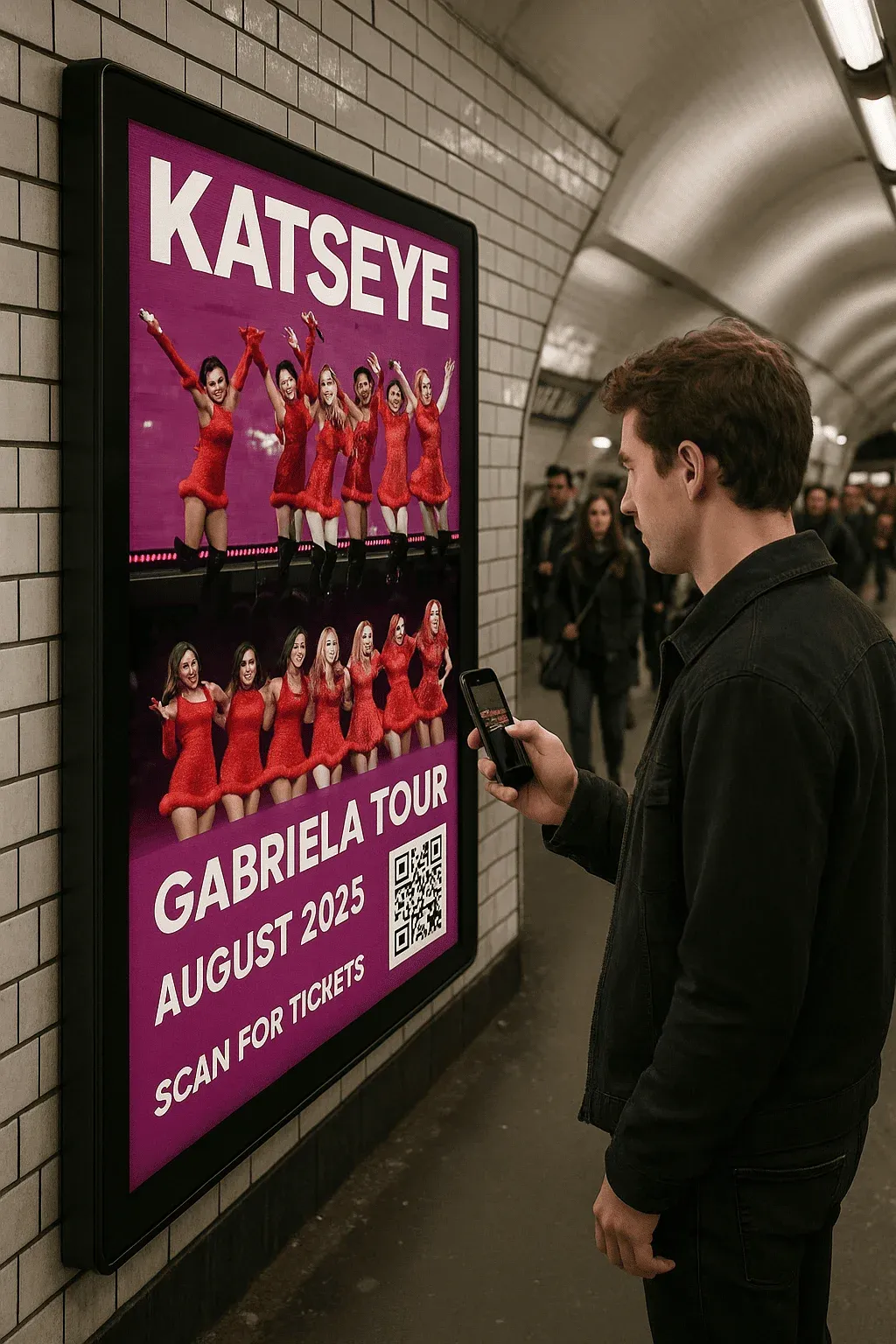
During peak holiday season, thousands of fraudulent QR codes appear on parking meters, restaurant menus, and tourist information boards. Their promise: quick and effortless access to local services. Their reality: malicious redirection to phishing portals designed to steal banking credentials or deliver spyware.
Faced with this rapidly growing threat (+26% in 2024), understanding how QR codes were born, why they became ubiquitous, and how their technical strength became a prime attack vector is crucial for every traveler.
🔍 QR Code Anatomy
🧭 Position Detection Patterns - Allow scanners to locate the code orientation
📏 Alignment Patterns - Correct surface curvature and perspective distortions
⏱️ Timing Patterns - Define module matrix size and grid spacing
📐 Quiet Zone - Essential white margin ensuring clear boundary isolation
- Stores up to 7,089 alphanumeric characters
- 360-degree omnidirectional reading capability
- Decodable even with up to 30% physical surface damage
- Robust Reed-Solomon mathematical error correction
- Inability for humans to inspect destination URLs prior to scanning
- Implicit visual trust placed in printed physical materials
- Difficulty distinguishing authentic stickers from counterfeit overlays
- Widespread use of URL shorteners obscuring deceptive landing pages
🚫 Scam #1: Hijacked Parking Meters
Criminals place adhesive QR stickers over authentic parking payment consoles, redirecting drivers to clone payment portals.
Mechanism
When drivers scan the sticker to pay their parking fee, they land on a convincing fake portal. Credit card details are harvested immediately, and a parking ticket follows since no legitimate parking fee was ever paid.
✅ Protection
⏰ Scam #2: Counterfeit Restaurant Menus
In busy outdoor terraces, scammers replace table QR stickers with malicious versions that prompt customers to enter payment info for "contactless ordering".
✅ Tailored Solution
🗃️ Scam #3: Malicious Audio Guides
🏛️ Museums: Fake QR tags placed alongside exhibit plaques
🏰 Historic Castles: Redirection to malicious media download sites
🌳 National Parks: Silent installation of malicious APK profiles
✅ Protection Strategy
⚡ Scam #4: Fake Promotional Offers
Posters on street corners advertise 70% discounts on local excursions or boat tours. Scanning prompts for credit card confirmation "to reserve your slot".
These discount programs are entirely fictitious. Fraudsters harvest banking data and sell it across dark web marketplaces. Over 23% of vacation QR scams in 2024 leveraged this tactic.
✅ Positive Practices
👥 Scam #5: Trapped Wi-Fi Hotspots
✅ Solution
- Rely on your cellular 4G/5G mobile data whenever possible
- Enforce an encrypted VPN tunnel whenever connecting to public networks
- Double-check SSID names against official transit station signage
- Disable automatic Wi-Fi joining on all mobile devices
🔐 Scam #6: Fake Heritage Site Portals
🏛️ Fraudulent stickers pasted on historical markers redirect tourists to fake donation or ticket portals requesting card details.
🌲 QR codes on hiking trail maps are swapped with malicious links prompting trail app downloads carrying trojans.
✅ Protection
💳 Scam #7: Diverted Merchant Payments
In outdoor markets and tourist boutiques, scammers paste counterfeit payment QR codes over checkout stands, diverting funds directly to criminal accounts.
- +45% increase in merchant QR diversion incidents in 2025 vs 2024
- Average victim loss: €120 per compromised transaction
- Only 28% of fraudulent QR transfer victims successfully recover funds
✅ Solution
🛡️ Complete Protection Guide
Here are 12 essential defense reflexes to eliminate scanning risks, based on security guidelines from international cybersecurity agencies.
🔒 Enable "Fraudulent Website Warning" in Settings > Safari to automatically block known phishing sites.
🛡️ Enable "Scan apps with Play Protect" in Settings > Security to block malicious downloads before execution.
🔤 Technical Glossary
🧠 Knowledge Verification Quiz
Test your knowledge on vacation QR code security
🏁 Conclusion: Travel in Total Safety
By adopting the security practices outlined in this guide, you can leverage the full convenience of QR codes without compromising your vacation:
- ✅ Always verify the physical provenance of a code before scanning
- ✅ Favor official applications for municipal and tourist services
- ✅ Keep mobile devices updated with the latest security definitions
- ✅ Report suspicious codes immediately to site authorities
When in doubt, remember this simple rule of thumb: look closely before you scan.
📚 Sources & References
Official US Federal Trade Commission reporting portal and consumer guidance on quishing and deceptive QR scams.
reportfraud.ftc.gov →Internet Crime Complaint Center threat intelligence and reporting system tracking criminal tampering with physical QR codes.
ic3.gov →National Cyber Security Centre guidance for identifying credential harvesting campaigns and fraudulent visual vectors.
ncsc.gov.uk →European Cybercrime Centre practical prevention resources covering travel fraud, electronic payment tampering, and cyber hygiene.
europol.europa.eu →Cybersecurity & Infrastructure Security Agency threat alerts and defensive guidelines against malicious link redirection.
cisa.gov →Detailed technical analysis of quishing methodologies, evasion of email filters, and mobile endpoint defense mechanisms.
kaspersky.com →Official specifications and technical documentation from the inventor of the QR code symbology and Reed-Solomon standards.
qrcode.com →Open technical compendium detailing barcode generation, matrix error correction levels, and documented attack surfaces.
wikipedia.org →
👥 Comments
Comment on this article