Beat the Heat: How Smart Devices and Weather Apps Protect You
Introduction
As summer temperatures repeatedly breach 40°C (104°F) across global urban centers, digital tools are shifting from leisure gadgets into essential heatwave survival allies, fundamentally transforming how communities anticipate and mitigate extreme heat.
Leading hardware manufacturers rigorously stress-test equipment in extreme environments reaching 85°C for over 500 hours. Here is how modern technology combats severe heat while protecting vital electronics.
Historical Heatwave Lessons
Public Health & Infrastructure Strain
These severe historical crises prompted national emergency heatwave warning systems and coordinated vulnerability registries across major cities.
1. Thermal Stress on Consumer Tech
At ambient temperatures above 40°C, mobile devices experience severe CPU throttling, a 20% to 40% reduction in battery discharge efficiency, and potential display discoloration. Silicon semiconductors encounter logic errors when die temperatures exceed 60°C.
1.1 Underlying Technical Realities
Consumer devices experience significant physical strain during high-heat periods:
2. Connected Solutions & Mobile Apps
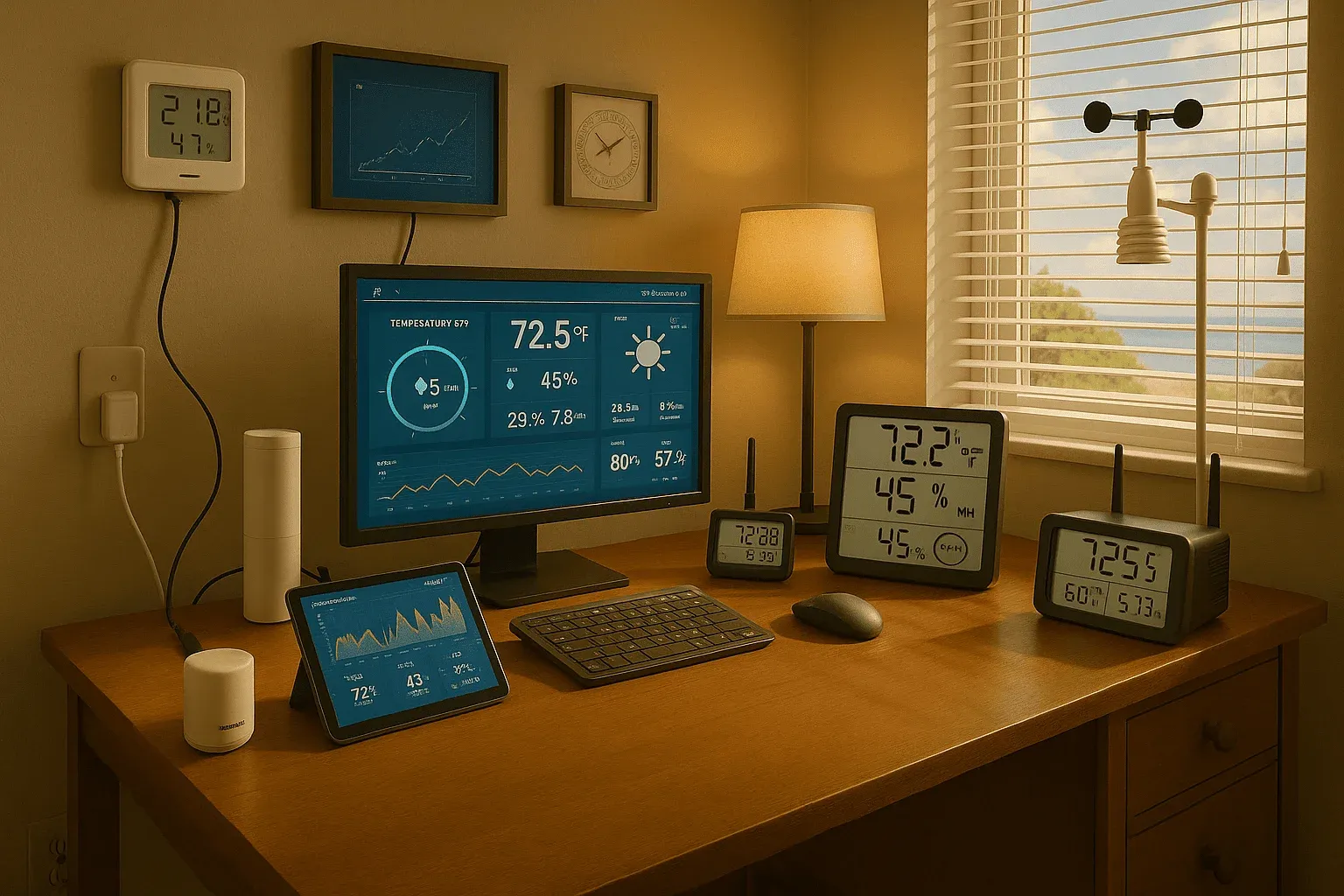
When facing dangerous heat waves, smart connected devices serve as vital protective barriers. From automated cooling systems to personal biometric wearables and mobile mapping tools, IoT innovations provide real-time heat defense.
From thermoelectric wearables providing localized cooling pulses (such as MIT's Wristify research) to smart thermostats preemptively cooling homes before peak grid tariffs, IoT devices empower active heat adaptation.
2.1 Essential Heatwave Mobile Apps
Smartphones serve as mobile emergency centers with these dedicated applications. Real-time hydration tracking, public drinking fountain locators, UV safety alerts, and air quality indices are immediately accessible.
An intuitive visual water tracking app designed to maintain optimal personal hydration levels throughout demanding hot days.
Calculates individualized water consumption targets based on ambient temperature, personal weight, and activity level.
Syncs with fitness trackers to deliver periodic hydration prompts tailored to heat stress and exertion metrics.
A crowdsourced mapping platform locating thousands of verified free drinking water points across major global cities.
Leverages satellite thermal telemetry to pinpoint local cool shelters and calculate real-time physiological heat vulnerability.
Delivers hyper-local air pollution forecasts, alerting users to summer ozone spikes and particulate concentrations.
Provides daily UV radiation forecasts and dermatological protection advice based on skin phenotype and geographic coordinates.
Simulates real-time 3D building shadows across city streets, assisting pedestrians in planning shaded walking routes.
Comprehensive meteorological visualization displaying atmospheric temperature anomalies, wind currents, and isobar trends.
2.2 Infants & Young Children: Essential Protections
- Maintain nursery between 18°C–22°C
- Shutter windows during peak daylight
- Circulate air without pointing fans directly at infants
- Use fine ambient water misters
- Loose-fitting lightweight organic cottons
- Light reflective colors
- Single diaper layer for sleeping babies
- Promptly change perspiration-soaked clothes
- Unusual lethargy or intense restlessness
- Hot, dry skin with absence of tears
- Rapid, shallow respiration
- Sunken fontanelle or high fever
- Move child immediately to cool shaded area
- Apply damp towels to forehead and neck
- Contact emergency medical services promptly
- Trigger phone emergency SOS features if alone
3. Protocols Before, During & After Heatwaves
Proactive family routines and mutual community care remain the foundational pillars of effective heatwave resilience.
- Register vulnerable relatives on municipal heat check-in lists
- Establish an emergency check-in network with neighbors
- Consult physicians regarding medication heat adjustments
- Store ample bottled water and electrolyte packs
- Inspect home insulation, shutters, and fan mechanics
- Drink at least 1.5–2L of water daily without waiting for thirst
- Dampen skin with water spray and utilize fans
- Eat light, water-rich meals in normal quantities
- Cease strenuous outdoor physical exertion
- Close external blinds and windows between 10 AM and 8 PM
- Spend several hours daily in public air-conditioned hubs
- Maintain regular fluid intake during thermal recovery
- Seek immediate medical advice if weakness persists
- Thoroughly ventilate residences during cooler nights
- Gradually resume physical activities
- Check in on isolated elderly family members
4. Safeguarding Vulnerable & Elderly Populations
- Consume 1.5L to 2.5L fluids daily
- Offer chilled, jellied, or sparkling water
- Integrate melon, cucumbers, and berries
- Strictly avoid alcohol and excess caffeine
- Close solar-exposed shutters during the day
- Create cross-breezes during cool nighttime hours
- Maintain AC thermostats around 24°C (75°F)
- Utilize local air-conditioned public spaces
- Apply damp cloths to arms and neck regularly
- Wear loose, light-colored clothing
- Avoid going outdoors between 11 AM and 5 PM
- Use facial thermal water misters
- Schedule medication reviews with family doctors
- Monitor chronic cardiovascular conditions
- Adjust diuretic dosages under medical advice
- Enroll in local municipal welfare calling services
- Establish daily telephone check-in schedules
- Equip fall-detection and panic button wearables
- Seniors aged 65 and older living independently
- Individuals with chronic medical or mobility restrictions
- Adults with recognized physical or cognitive disabilities
- Vulnerable residents experiencing social isolation
Severe Symptoms Requiring Immediate Emergency Medical Calling
5. Emergency Response Tooling
Dispatches trained citizen responders to nearby cardiac arrests before formal paramedic arrival, saving crucial minutes.
Official Red Cross interactive first aid guidance providing step-by-step instructions for heatstroke and trauma care.
Maps nearby operational emergency departments, clinics, and pharmacies with live availability status.
Rapidly pressing the power button 5 times calls local emergency services and broadcasts real-time GPS coordinates to emergency contacts.
Holding the side button and volume control triggers an audible alarm, calls emergency dispatchers, and shares medical ID telemetry.
6. Future Climate & Grid Challenges
While consumer tech enables vital personal resilience, systemic grid constraints and climate trajectories demand scalable infrastructure upgrades.
Heatwave Technology Glossary
Key terms defining the cutting edge of thermal defense and climate resilience
Heatwave Technology Quiz
Test your knowledge on thermal resilience and smart heat defense!
You have completed the quiz!
Conclusion: Technology in Synergy With Nature
From smart hydration prompts to predictive HVAC automation, connected devices redefine human resilience against extreme seasonal heat:
- 🦸♂️ Converting device capabilities into personal heat shields
- 🤖 High-precision predictive climate AI models
- 🏡 Automated, energy-conscious home climate control
- 👤 Proactive monitoring safeguarding elderly and vulnerable individuals
As smart devices evolve, intentional technology paired with mindful habits ensures we remain healthy, connected, and safe even amidst record summer heat.
Helpful Resources & Advisory Portals:
- CDC Heat & Health Tracker — Real-Time Surveillance
- NOAA / NWS Heat Safety Portal — Guidelines & Warning Levels
- Climate-ADAPT (EEA) — Urban Cooling Strategies
- DeepMind GenCast — Meteorological AI Documentation
- American Red Cross — Heat Wave Safety Checklist
Stay cool, hydrated, and safely connected! ❄️📱
👥 Comments
Comment on this article