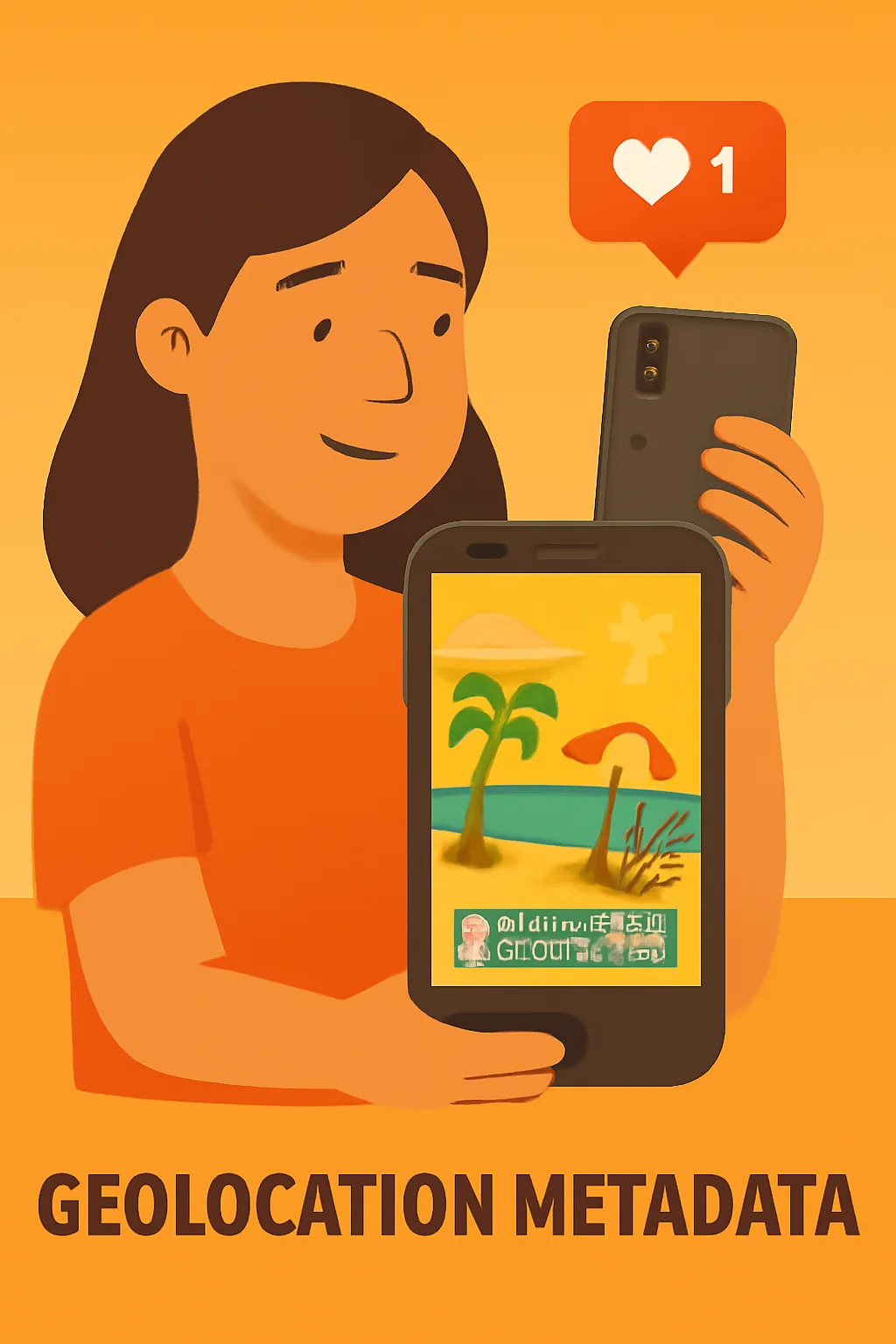
Interactive guide to safely sharing your holiday whereabouts without compromising your home security or privacy
Vacation Location Sharing: The Comprehensive Security Guide
Introduction
At the height of summer, social feeds overflow with sun-drenched beaches and colorful cocktails. Yet, a single impulsive post can be all it takes to compromise your home, your privacy, or even your physical safety. July and August account for nearly one in five residential burglaries worldwide, far exceeding seasonal averages: undeniable proof that holiday carefree attitudes also attract intruders.
Industry research shows that 25% of summer break burglaries are facilitated by social media tracking, while reports of malicious geolocation exploitation have surged by 40% since 2023. Here is how to enjoy your summer holidays without turning your public updates into an open invitation for thieves.
1. Summer and the Attention Economy: Why We Overshare
Adults spend over 2.5 hours online every day during summer breaks. Leisure downtime sparks a measurable engagement surge (+11% average boost) and an impulsive sharing reflex fueled by likes and FOMO (Fear Of Missing Out). Algorithms exploit dopamine loops via push notifications, reinforcing endless scrolling.
1.1 Social Media in Peak Season
Moments of relaxation create an ideal environment for accidental oversharing:
2. Oversharing Hazards: From Property Theft to Cyber-Stalking
A luxury sneaker collector was targeted after posting geotagged Instagram photos while away. Burglars bypassed standard electronics to steal solely the high-value footwear, proving precise pre-reconnaissance via publicly shared stories.
2.1 Physical Reconnaissance & Break-Ins
Broadcasting your holiday schedule gives thieves a predictable timetable (25% of annual home invasions occur during holiday windows). Photos reveal key intelligence:
| Exposed Data | Concrete Examples |
|---|---|
| Embedded GPS Metadata | Casual selfie = exact home coordinate |
| High-Value Assets | Close-up shots of luxury watches, gear, or art |
| Daily Routines | Fitness app routes = empty house timetables |
2.2 Stalking 2.0 & OSINT Tools
AI reconnaissance platforms like GeoSpy analyze background architecture, weather patterns, and vegetation to pin down user locations within meters. In one notable incident, a stalker located an influencer's residence by magnifying bus stop reflections captured in the pupils of her selfies.
3. Hidden Photo Metadata: The Invisible Informants
Every digital picture contains invisible tags: precise GPS coordinates, exact capture timestamps, and hardware details. A simple right-click or automated scraper extracts this data effortlessly. Europol intelligence reports indicate over 68% of targeted cyber-theft operations exploit metadata.
3.1 How EXIF Compromises Privacy
4. When Real-Time Location Sharing Becomes a Lifeline
4.1 High-Risk Regions
Safety apps such as GeoSure and AIG Travel Guardian provide localized risk scores across 60,000 global cities. Sharing encrypted live coordinates with trusted contacts via WhatsApp Live Location or Life360 dramatically accelerates emergency response times.
4.2 Wilderness & Outdoor Activities
5. The "Share or Delay" Framework: Your Digital Compass
| Travel Scenario | Live Sharing? | Operational Recommendations |
|---|---|---|
| Unstable or remote regions | Yes (Trusted circle only) | Life360 + Always-on VPN |
| Isolated backcountry trekking | Yes | Dedicated PLB or Satellite Emergency SOS |
| Road trips with friends | Non-public | Private group sharing + license plate blurring |
| Resorts & tourist hubs | Optional / Delayed | Private stories, EXIF metadata stripped |
7. Technical Hardening: Your Privacy Shield
7.1 Mobile App Permissions
| Operating System / App | Crucial Setting | Configuration Path |
|---|---|---|
| Android | Disable "Save location" | Camera App → Settings → Location Tagging [OFF] |
| iOS (iPhone) | Block camera location access | Settings → Privacy & Security → Location Services → Camera [Never] |
| Limit posts to Close Friends | Settings → Privacy → Account Privacy [Private] | |
| Strict Live Location timer | Set 15-min or 1-hour expiration; Archive Meta AI |
8. Best Practices: The Art of Mindful Sharing
Location Privacy Glossary
Key cybersecurity and digital privacy terms you need to know
Holiday Location Security Quiz
Test your awareness of social media and geolocation risks
You have completed the quiz!
Conclusion: Smarter Summer Security
Sharing your whereabouts is neither inherently good nor bad: it all comes down to audience segmentation, timing, and metadata hygiene. Apply a tiered approach:
- 🔒 Private & Real-Time for emergency safety and remote travel
- 👥 Restricted & Delayed (#latergram) for casual recreational memories
- 🧹 Systematic Metadata Scrubbing (EXIF, background landmarks, license plates)
Remember: "In a hyperconnected world where metadata maps your daily routine, every click carries weight." Technology must empower users, not expose them.
Helpful Resources & References:
Wishing everyone a safe, secure, and restful holiday! 🏖️🔒
👥 Comments
Comment on this article